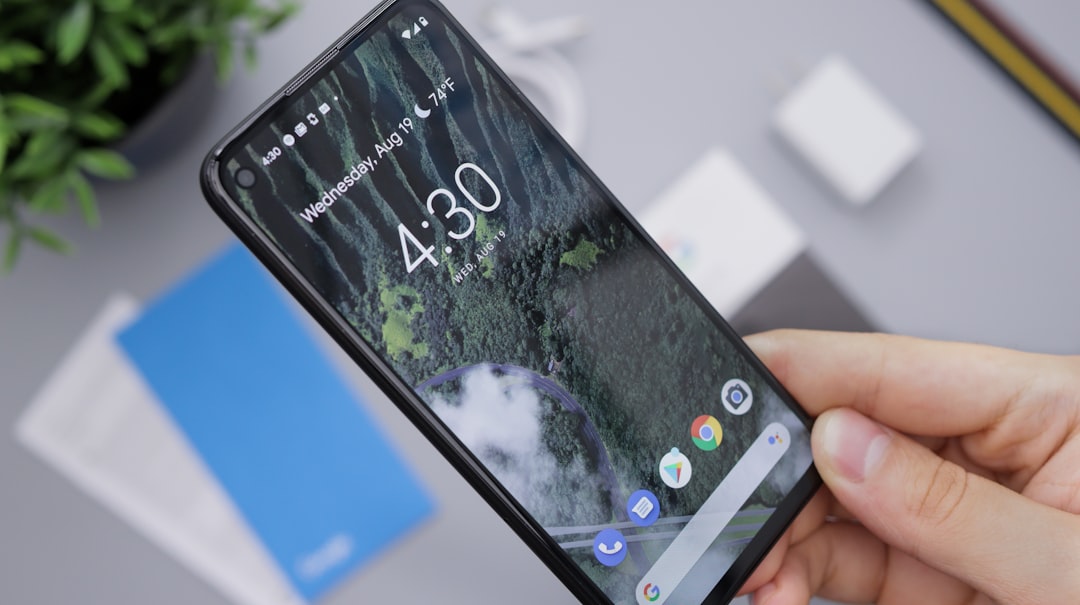
“Unwanted text messages can be a nuisance, but in Houston, Texas, residents enjoy robust protections against spam texting thanks to clear and stringent laws. This article delves into Houston’s anti-spam regulations specifically targeting text messages, exploring what the ‘Do Not Text’ initiative means for consumers and their rights. We’ll guide you through the legal landscape, highlighting resources available to Houstonians seeking relief from intrusive text messages, with insights from a Do Not Text Attorney Houston.”
Understanding Houston's Anti-Spam Laws for Text Messages

Houston has implemented stringent laws to combat spam texting, offering residents significant protection against unsolicited text messages. These regulations are designed to ensure that consumers receive only legitimate and relevant communications, especially from legal professionals. The key to understanding these laws lies in recognizing the distinction between marketing efforts and genuine legal correspondence.
If you’re a Houston resident receiving excessive or unwanted text messages, particularly from individuals or firms promoting their services, the Texas Administrative Code provides clear guidelines on how to address this issue. One crucial aspect is the “Do Not Text” registry, which allows individuals to opt-out of marketing texts by simply replying ‘STOP’ to the sender. Additionally, any text message marketing campaigns must comply with strict consent requirements, ensuring that subscribers have actively agreed to receive such messages. This includes scenarios where a consumer has interacted with an attorney’s firm previously but has not explicitly consented to receiving promotional texts.
What Does Do Not Text Mean in Texas?
In Texas, “Do Not Text” is a powerful tool designed to protect residents from unwanted and nuisance text messages, commonly known as spam texting. This initiative allows individuals to opt-out of receiving promotional or advertising texts from businesses and unknown senders. When you register for the “Do Not Text” program, it means you’ve given explicit consent to be left alone—no more unsolicited marketing messages disturbing your peace.
As a resident of Houston, if you choose to participate, your phone number will be added to the Texas Department of Licensing and Regulation’s (TDLR) database, ensuring that you won’t receive any text spam from businesses or third-party companies within the state. This simple yet effective measure empowers citizens to take control of their communication and privacy, making it easier for them to avoid the hassle and annoyance associated with spam texting. Remember, for those seeking legal assistance regarding Do Not Text in Houston, consulting a specialized attorney can provide clarity and protection against potential violations.
Protecting Consumers: Rights and Resources in Houston
In Houston, consumers have powerful tools at their disposal when it comes to combating spam texting. The Texas state laws offer robust protections for residents, ensuring that unwanted text messages do not invade their personal space. One key measure is the Do Not Text Attorney Houston program, which allows individuals to register their phone numbers on a no-call list, effectively blocking marketing texts from businesses and legal entities alike. This initiative is a game-changer in protecting consumer privacy.
Moreover, Houston’s laws empower citizens to take action against spammers. If a resident receives unsolicited text messages, they can report them to the appropriate authorities. This not only aids in combating the issue but also provides resources for those seeking relief. There are dedicated hotlines and online reporting systems that make it easy for consumers to assert their rights, ensuring that Do Not Text Attorney Houston regulations are enforced effectively.