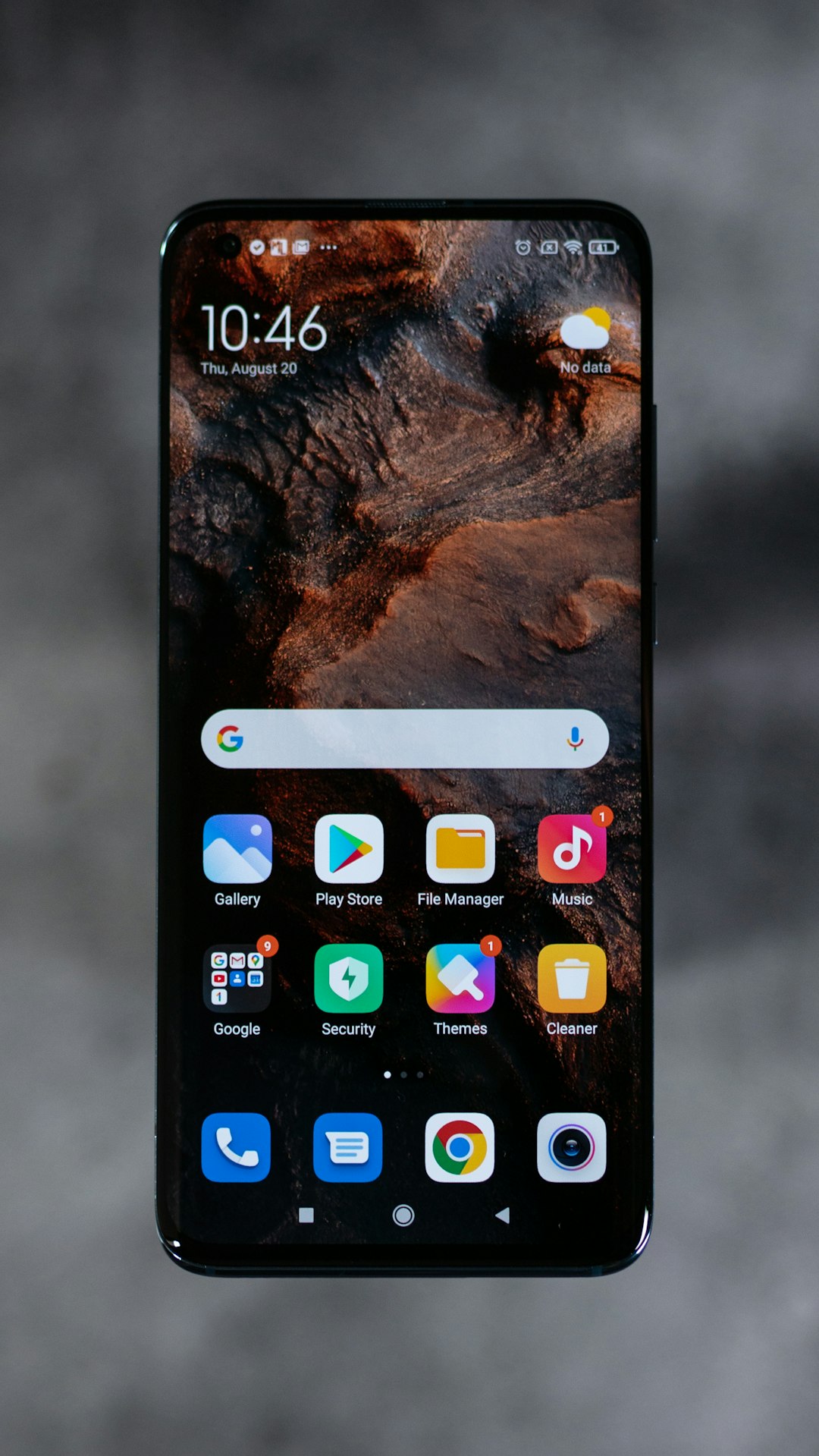
Houston's "Do Not Text" laws protect residents from unwanted commercial texts by regulating unsolicited marketing. Consumers can register on the "Do Not Call" registry and block senders to prevent harassment. Reporting spam messages through Do Not Text Laws Houston helps combat spam. Adhering to state law ensures a spam-free experience, with consequences for texting while driving emphasized by law enforcement.
Tired of receiving unwanted text messages in Houston? Understanding and leveraging the city's Do Not Text Laws is your first step towards a spam-free experience. This guide breaks down everything you need to know, from identifying intrusive messages to reporting them effectively. We also delve into legal protections available to Houston residents and offer strategies to prevent future unsolicited contact. By following these steps, you can reclaim control over your phone lines.
Understanding Do Not Text Laws in Houston

In Houston, like many other cities, there are laws in place to protect residents from unwanted text messages, commonly known as "Do Not Text" or "No Texting" laws. These regulations are designed to curb the increasing nuisance of spam texts and marketing messages that can be intrusive and annoying. Understanding these laws is essential for both consumers and businesses alike.
Houston's Do Not Text Laws primarily focus on commercial text messaging, ensuring that individuals and companies respect the recipient's privacy. It is illegal for businesses to send unsolicited texts for marketing or advertising purposes without prior consent. This includes messages promoting sales, discounts, or any form of direct marketing communication. Consumers can register their phone numbers on the "Do Not Call" registry, which also extends to text messages, effectively blocking unwanted promotional content from reaching their devices.
Identifying Unwanted Text Messages
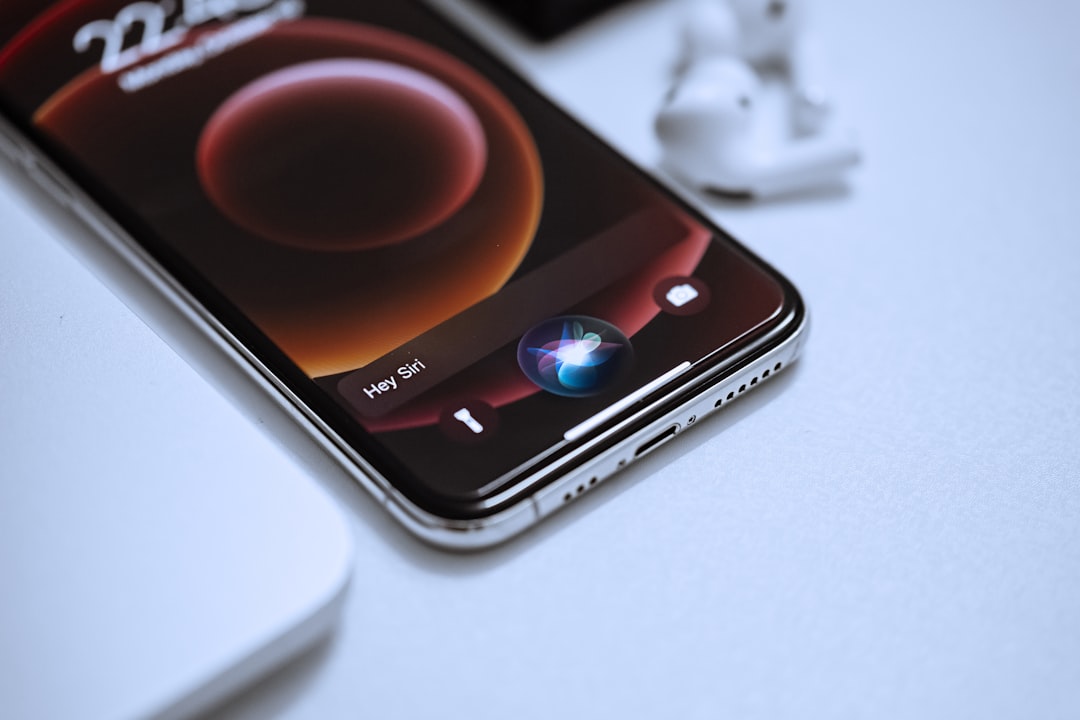
Unwanted text messages can be a nuisance and, in some cases, even a form of harassment. Identifying these messages is the first step to taking control. Pay close attention to the sender's number; if it's unfamiliar or you don't recognize the contact, it could be a sign that you're receiving spam or unwanted marketing texts. These messages often contain promotions, sales, or advertisements, sometimes even from unknown sources, and may be sent in bulk.
In Houston, the Do Not Text Laws provide residents with a way to combat this issue. By registering your number on these designated lists, you can limit the flow of unwanted text messages. It's an effective measure to ensure that your phone doesn't become a portal for unsolicited communication, allowing you to focus on relevant and personal messages.
Reporting Spam Texts Effectively

Unwanted text messages can be a nuisance, but reporting them effectively is a powerful tool in the fight against spam. If you receive unsolicited texts promoting products or services in Houston, don't ignore them—take action! Start by saving the message and collecting relevant information like the sender's phone number and any links included.
Next, contact your mobile carrier. Most carriers have simple processes for reporting spam texts. You can block the sender directly from your phone settings, but reporting the message to your provider ensures it reaches the right authorities. Additionally, utilize tools provided by Do Not Text Laws Houston, which offer dedicated channels to report and track spam cases, empowering you to contribute to a cleaner digital environment.
Legal Protections for Houston Residents

Houston residents are protected from unwanted text messages by state laws, particularly those pertaining to telemarketing and consumer privacy. The Texas Attorney General's Office outlines clear guidelines on how businesses must obtain consent before sending promotional texts. If you find yourself receiving unsolicited text messages, there are steps you can take to stop them.
Under the Do Not Text Laws Houston, individuals have the right to opt-out of automated text message campaigns by replying "STOP" to the sender. This simple action should prevent further communication from that number. It's important to remember these laws exist to protect consumers from unwanted intrusion and spam, ensuring a safer digital experience for Houston residents.
Preventing Future Unwanted Contact