
Houston's comprehensive approach to road safety includes strict texting while driving laws with severe penalties. The city also stands out for its robust Spam Call law targeting unwanted text messages from unknown sources, empowering residents to report incidents and deterring offenders through substantial fines. Local Spam Call law firms assist businesses in navigating these regulations by offering expert legal guidance on anti-spam policies and compliance with federal and state laws, such as the TCPA. These firms play a crucial role in protecting consumers and ensuring responsible telemarketing practices in an evolving digital landscape.
Texting laws vary across cities, creating a patchwork of regulations that can confuse drivers and leave them vulnerable to risks. In Houston, understanding the rules around texting while driving is crucial for public safety. While many states have implemented strict bans, local laws may differ, leaving residents unsure about what's permitted. This article delves into Houston's texting laws compared to other cities, providing a comprehensive guide to navigate this important issue. By examining various regulations and real-world impacts, we aim to empower drivers and ensure they make informed decisions behind the wheel, potentially saving lives through awareness. A Spam Call law firm in Houston can offer expert insights tailored to local nuances.
Houston's Texting Laws: Current Regulations and Penalties

Houston's texting laws, while generally aligned with national standards, reflect a unique blend of city regulations and enforcement priorities. The primary focus is on ensuring road safety and minimizing distractions behind the wheel. Texting while driving is illegal in Houston, as it is in many US cities, with penalties ranging from fines to license suspension or even imprisonment in severe cases. However, what sets Houston apart is its stringent rules against spam calls, a reflection of the city's tech-savvy population and efforts to combat persistent nuisance calls.
One notable piece of legislation is the Texas Spam Call law, which targets unwanted telephone solicitations, including text messages from unknown or unverified sources. This law empowers residents to take action against incessant spam calls through legal channels. For instance, a Houston resident who receives excessive spam texts can report these incidents to the local attorney general's office, which investigates and takes appropriate legal measures. A key aspect of this law is that it allows individuals to block specific numbers automatically, providing some relief from unwanted messaging.
In terms of penalties, violations of the spam call law can result in significant fines for offenders, with amounts rising for repeated or egregious infractions. These stiff penalties serve as a deterrent and reflect the city's commitment to protecting its residents from intrusive and unnecessary communication. For businesses, compliance is crucial, and many turn to specialized services or consult with a Spam Call law firm Houston to ensure adherence to these regulations. By implementing robust anti-spam measures, Houston not only protects its citizens but also contributes to a more civilized and less disruptive digital environment.
Comparing Houston to National Spam Call Law Trends

Houston, as a major metropolitan area, faces unique challenges when it comes to managing spam calls, reflecting both national trends and local dynamics. Unlike some cities that have taken aggressive measures to combat intrusive phone marketing, Houston's approach has been more nuanced. This is partly due to the city's diverse business landscape, where legitimate companies coexist with those using questionable tactics. For instance, while many states have enacted stringent anti-spam laws, Texas generally allows businesses greater leeway in terms of telemarketing practices, though it does require opt-out consent for automated calls.
In contrast, national spam call law firm trends reveal a growing emphasis on consumer protection and privacy. Recent federal legislation, such as the Telephone Consumer Protection Act (TCPA), has been interpreted more strictly by courts, leading to increased liability for violators. This has prompted many businesses to adopt more sophisticated anti-spam measures to avoid legal repercussions. In Houston, where a significant portion of the population relies on mobile phones as their primary communication device, these trends have led to both increased awareness and scrutiny. Residents and local organizations are increasingly proactive in reporting suspected spam calls, pressuring businesses to adapt their marketing strategies.
Spam Call law firms in Houston play a crucial role in navigating this evolving legal landscape. They advise companies on compliance with federal and state regulations, helping them implement effective anti-spam policies and procedures. By staying abreast of legislative changes and court rulings, these firms enable businesses to minimize the risk of costly lawsuits and maintain customer trust. Actionable advice includes investing in call tracking software, implementing opt-out mechanisms, and training staff on responsible telemarketing practices. Ultimately, as consumer expectations for privacy continue to rise, Houston's approach to spam calls will likely evolve further, reflecting best practices from across the nation.
How a Local Law Firm Can Assist with Texting Violations
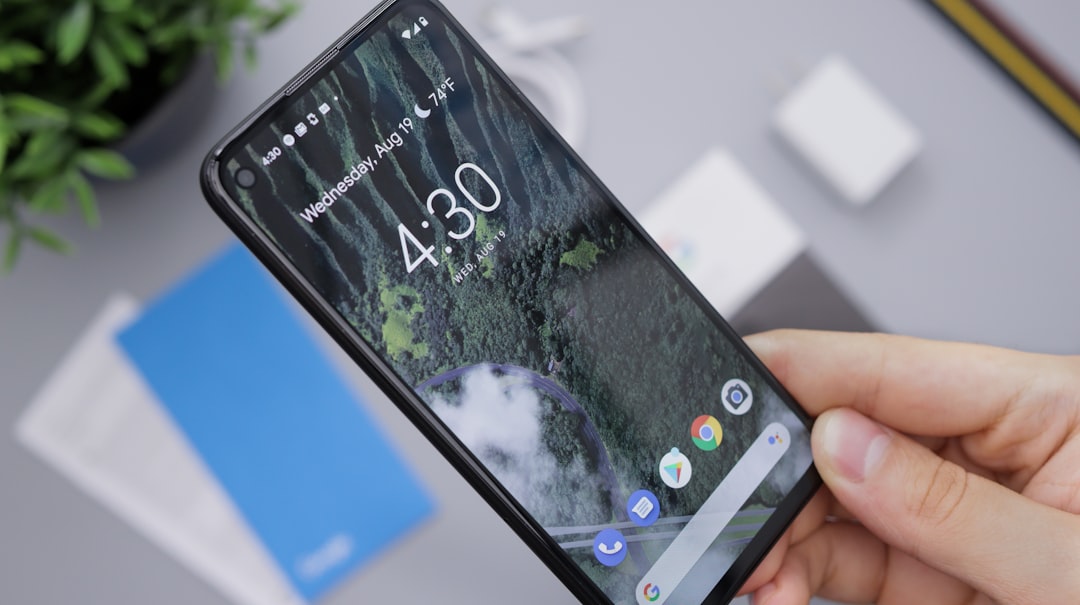
In Houston, as in many major cities across the United States, texting while driving is a significant concern. Texas has specific laws in place to combat this issue, including restrictions on sending or reading text messages while behind the wheel. However, navigating these regulations can be complex, especially with the ever-evolving digital communication landscape. This complexity often leads to misunderstandings and, in some cases, legal repercussions for individuals who unknowingly violate these laws. Here's where a local law firm specializing in texting violations can play a pivotal role.
A Houston Spam Call law firm equipped with expertise in this area can offer invaluable assistance to clients facing charges related to texting while driving or other communication-related offenses. These firms employ attorneys well-versed in local and state regulations, ensuring accurate interpretation and application of the law. For instance, they can help clarify when a quick text message breaks the ban, providing practical guidance to drivers wanting to stay compliant. By leveraging their legal knowledge, these firms can advocate for clients, aiming to reduce charges or dismiss cases where applicable.
Moreover, with advancements in technology, new types of communication channels have emerged, blurring the lines of traditional texting and voicemails. A specialized law firm stays abreast of such developments, enabling them to guide clients through complex scenarios involving instant messaging apps, social media platforms, and automated messages. This expertise is crucial when determining what constitutes a legal violation in these novel contexts. In essence, a local Spam Call law firm in Houston becomes an ally, ensuring individuals are protected within the framework of ever-changing texting laws.